
January 19, 2026
GLP-1 and Menopause: How Food Supports Weight Management
Menopause brings a lot of changes – hot flashes, mood swings, sleep disruptions… and yes, weight gain. Many women notice their metabolism slows, appetite changes, and stubborn fat seems to cling more than before. One hormone that’s gaining attention in weight management is GLP-1 (glucagon-like peptide-1). But what is it, and how can your diet help support it?
What is GLP-1?
GLP-1 is a naturally occurring hormone produced in the gut that helps regulate appetite, blood sugar, and insulin. Often described as a “satiety signal,” it communicates with the brain to let you know when you’re full and helps prevent overeating. It also stimulates the release of insulin, allowing sugar from the bloodstream to be used by the body, and slows the rate at which food leaves the stomach. Together, these actions help you feel fuller for longer and naturally reduce appetite.
In recent years, GLP-1 medications (like Mounjaro) have become popular for supporting weight loss. They mimic the action of your body’s own GLP-1, helping to curb appetite and improve blood sugar control.
Does naturally produced GLP-1 work in the same way as GLP-1 weight-loss medications?
Not quite. While the body does produce GLP-1 naturally in response to eating, its effects are relatively short-lived. Natural GLP-1 is quickly broken down by enzymes in the body, meaning its appetite-regulating benefits are mainly felt around mealtimes.
GLP-1 weight-loss medications are designed to resist this breakdown, allowing them to remain active in the body for much longer – from several days to even weeks, depending on the medication and dose. Because of this prolonged action, the medications have a much stronger and more sustained effect on appetite suppression than naturally produced GLP-1.
That said, supporting your body’s own GLP-1 production through food and lifestyle can still play a valuable role in appetite control, blood sugar regulation, and overall metabolic health – even if the effects are more subtle than those achieved with medication.
Why GLP-1 Matters in Menopause
During menopause, oestrogen levels drop, which can affect how your body stores fat and responds to hunger and fullness cues. Lower oestrogen levels can:
- Affect insulin sensitivity, making blood sugar spikes more likely.
- Alter appetite and fullness signals, so you may feel hungrier or less satisfied after meals.
- Encourage fat storage, especially around the abdomen, even if your diet hasn’t changed.
Because of these changes, supporting GLP-1 naturally through diet and lifestyle becomes even more important for appetite control, weight management, and overall metabolic health.
Supporting GLP-1 naturally can:
- Reduce cravings and help manage appetite.
- Support better blood sugar control.
- Promote feelings of fullness, making portion control easier.
- Complement your lifestyle and nutrition habits, whether or not you’re taking medication.
Foods That Naturally Boost GLP-1
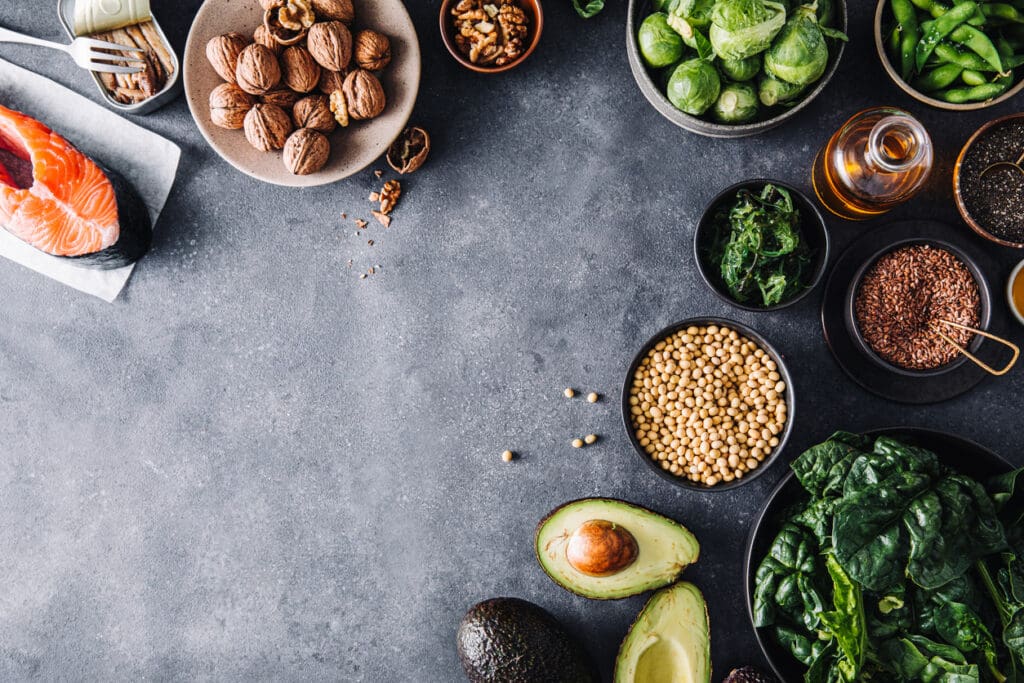
The exciting part? Your diet can help your body make more GLP-1 naturally. Here are some key foods:
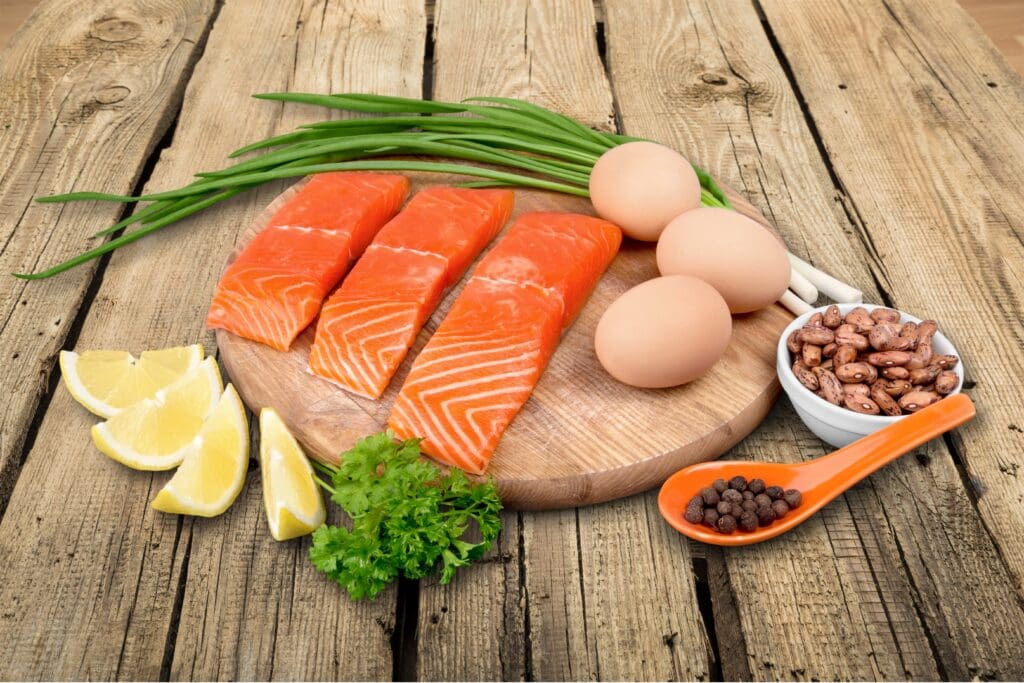
- Protein-Rich Foods
- Chicken, turkey, fish, eggs, Greek yogurt, tofu
- Protein stimulates GLP-1 release and keeps you fuller for longer.
- High-Fibre Vegetables
- Broccoli, spinach, kale, cauliflower
- Fibre slows digestion and encourages GLP-1 secretion.
- Legumes & Pulses
- Lentils, chickpeas, beans
- These are high in both fibre and protein – a double boost for GLP-1.
- Fermented Foods
- Yogurt, kefir, sauerkraut, kimchi
- Gut health plays a role in GLP-1 production, and probiotics support a healthy microbiome.
- Healthy Fats
- Olive oil, avocados, nuts, seeds
- Some research shows monounsaturated fats can enhance GLP-1 secretion.
- Low-Glycemic Fruits
- Berries, apples, pears
- Provide fibre and nutrients without spiking blood sugar, which helps maintain GLP-1 balance.
What Can Reduce or Damage GLP-1 Production
- Ultra-processed foods
- High in refined carbs, added sugars, and artificial ingredients.
- Cause rapid blood sugar spikes, which can blunt GLP-1 release over time.
- Often low in fibre and protein, so they don’t stimulate natural GLP-1 much.
- Chronic high-sugar intake
- Excess sugar can desensitize GLP-1 receptors, reducing effectiveness.
- Low-fibre diets
- Fibre feeds the gut microbiome, which indirectly supports GLP-1 production. Without it, secretion may drop.
- Poor gut health
- Imbalances in gut bacteria (dysbiosis) can reduce GLP-1 secretion.
- Antibiotics, chronic stress, and low probiotic intake can all play a role.
- Sedentary lifestyle
- Exercise can improve GLP-1 response and insulin sensitivity; lack of movement may blunt it.
- Sleep deprivation & stress
- Chronic stress and poor sleep can disrupt appetite-regulating hormones, including GLP-1.
Tips for Supporting Your Natural GLP-1 Response (With or Without Medication)
- Pair protein with fibre at every meal to maximize satiety.
- Avoid ultra-processed foods that spike blood sugar and disrupt appetite signals.
- Maintain a regular meal pattern – skipping meals can reduce GLP-1 response.
- Focus on whole foods and gut-friendly options to support long-term hormone balance.
Even if you’re currently taking GLP-1 medication, eating to support your body’s natural production can be beneficial. And if you ever decide to taper off medication, your diet can help maintain appetite control and steady blood sugar.
Bottom line: GLP-1 can be a powerful ally for weight management in menopause, if that’s the route you choose. You don’t have to rely solely on medication – the foods you eat every day can make a real difference in how your body regulates hunger, fullness, and energy. This isn’t about judgment; it’s simply about giving your body the support it needs.
Need support navigating weight changes during menopause? Book a free 15-minute call.


