
March 1, 2026
Menopause Carbs: What to Eat for Energy & Weight Management
Let’s talk about carbs – because somewhere along the menopause journey, they often become the “villain.” You may have noticed weight creeping up despite eating less, energy dipping mid-afternoon, or cravings becoming harder to ignore. Naturally, carbs get blamed. But here’s the truth: carbs are not the enemy. In fact, your body – and especially your brain – needs carbohydrates. The key isn’t eliminating them. It’s understanding how to choose the right ones, so they support your hormones, energy, and healthy weight loss rather than work against you.
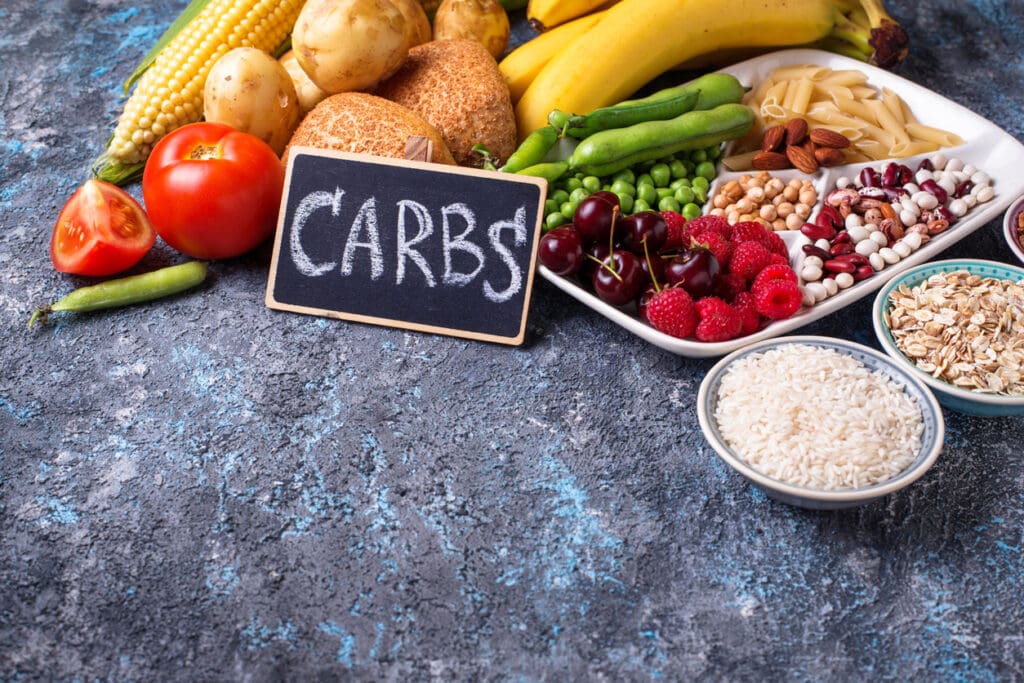
Why Your Body Needs Carbohydrates – Especially During Menopause
Carbohydrates are one of the three essential macronutrients, alongside protein and fats. Their primary job is to provide glucose – your body’s preferred and most efficient energy source.
Your carbohydrate needs naturally vary depending on activity level, since glucose fuels movement, exercise, brain function, and everyday metabolism. When activity decreases – which can happen during midlife – your body doesn’t need fewer carbs entirely, just the right balance to match your energy demands.
This becomes even more important during menopause, when hormonal shifts can affect how your body uses energy. Your brain relies heavily on glucose to function properly, influencing everything from concentration and mood to sleep quality.
When you eat balanced carbohydrates, you’re supporting:
• Steady energy throughout the day
• Brain clarity and focus
• Hormonal balance
• Healthy metabolism
• Sustainable weight management
Without enough carbohydrates, your body turns to protein and fat for energy – and protein is far more valuable for preserving muscle, which naturally declines during menopause.
How Many Carbs Do You Really Need?
There’s no one-size-fits-all answer – your carbohydrate needs depend on your activity level, metabolism, and overall health. As a general guideline, about half of your daily calories can come from carbohydrates from nutrient-rich sources like fruits, vegetables, whole grains, legumes, and dairy.
The key is choosing quality over quantity: focus on complex, fibre-rich carbs that release energy slowly, and adjust portions based on how active you are each day.
Not All Carbs Are Equal: The Real Difference That Matters
The biggest distinction isn’t between “carbs” and “no carbs.” It’s between simple carbs and complex carbs.
Simple carbs: quick energy, quick crashes

These are found in foods like sugar, pastries, white bread, and sweets. They break down very quickly, causing rapid blood sugar spikes followed by crashes. During menopause, when insulin sensitivity may already be reduced, frequent spikes can increase fat storage – particularly around the abdomen.
They can leave you feeling:
- Tired
- Hungry again quickly
- Prone to cravings
- More likely to gain weight
Complex Carbs: The Key to Steady Energy and Easier Weight Management
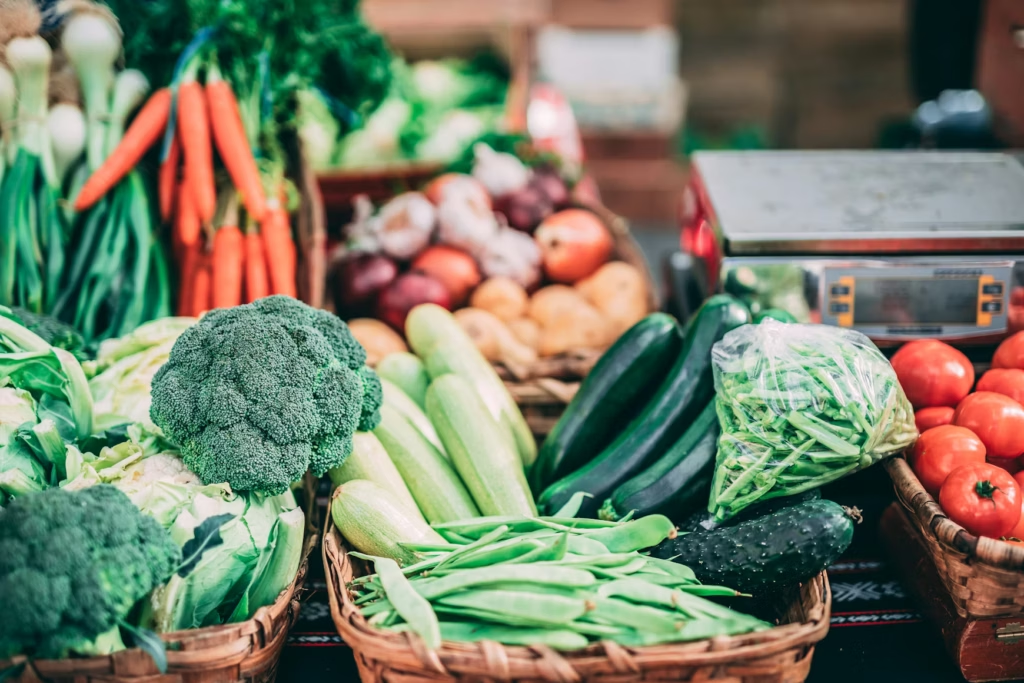
Complex carbohydrates are found in whole, unprocessed foods such as:
- Oats
- Quinoa
- Beans and lentils
- Vegetables
- Whole grains
- Fruit
These digest slowly, providing stable energy and helping regulate blood sugar and appetite – key for healthy weight loss during menopause.
They also contain fibre, vitamins, and antioxidants that support gut health, hormone balance, and inflammation reduction.
The Menopause Metabolism Shift: Why Carb Quality Matters More Than Quantity
During menopause, declining oestrogen affects how your body handles insulin – the hormone that manages blood sugar. This means your body may store excess glucose as fat more easily, especially if you regularly consume refined carbs.
But cutting carbs too drastically can backfire.
Too few carbohydrates can lead to:
- Fatigue
- Poor concentration
- Increased cravings
- Muscle loss
- Slower metabolism
Your body stores a small reserve of carbohydrates in the liver and muscles called glycogen, which helps maintain energy between meals. Without it, energy dips and hunger signals increase.
The goal isn’t low carb. It’s right carb.
The Best Carbohydrates for Healthy Weight Loss During Menopause
Focus on carbohydrates that nourish your body and support metabolic health.
Fruits that Support Energy and Healthy Weight Loss
Fruit is often misunderstood, especially during menopause when you may be more sensitive to sugar and weight gain. But whole fruit is not the same as refined sugar. It comes with fibre, vitamins, minerals, and protective antioxidants that help support your metabolism, gut health, and hormone balance.
The fibre in fruits such as berries, apples, peaches, melon, and plums helps slow the release of natural sugars into your bloodstream, preventing sharp spikes and crashes that can lead to cravings and fatigue. This makes fruit a nourishing way to satisfy something sweet while still supporting steady energy and healthy weight loss.
For even better balance, enjoy fruit alongside protein or healthy fats – such as yoghurt, nuts, or seeds – to help keep you fuller for longer and support blood sugar stability.
Vegetables that Fuel Your Body and Support Hormone Balance
Vegetables are one of the most powerful allies for healthy weight loss during menopause. They are naturally rich in fibre, vitamins, minerals, and antioxidants, yet low in calories, making them incredibly nourishing without overwhelming your blood sugar.
Fibre-rich vegetables such as broccoli, spinach, courgette, peppers, and Brussels sprouts help slow digestion, keep you feeling fuller for longer, and support a healthy gut – which plays an important role in metabolism and hormone balance.
Naturally sweeter vegetables like sweet potato and butternut squash also provide steady, sustained energy when eaten as part of a balanced meal. Including a variety of colourful vegetables each day helps reduce cravings, supports digestion, and gives your body the nutrients it needs to maintain energy and healthy weight through menopause.
Whole Grains and Legumes for Steady Energy and Hormone Support

Whole grains and legumes are incredibly supportive during menopause because they provide slow-release energy that helps keep your blood sugar stable and your appetite balanced. Foods such as oats, quinoa, chickpeas, lentils, barley, and brown rice are rich in fibre, plant protein, and essential nutrients that nourish your metabolism, support digestive health, and help maintain hormone balance. Lentils contain plant compounds called phytoestrogens, which can gently support oestrogen levels and help ease some menopause-related symptoms.
Unlike refined carbohydrates, these foods are broken down more gradually, helping you feel fuller for longer and reducing the likelihood of energy dips, cravings, and overeating later in the day. Including these nourishing, high-fibre carbohydrates as part of balanced meals can help support healthy weight loss while keeping your energy levels steady and your body well fuelled.
Why Cutting Carbs Completely Can Work Against You
Low-carb diets can sometimes lead to short-term weight loss, but they often reduce muscle mass and slow metabolism – the opposite of what women need during menopause.
Muscle is your metabolic engine. Preserving it helps your body burn calories more efficiently, supports bone health, and improves insulin sensitivity.
Healthy weight loss during menopause comes from balance, not restriction.
How to Eat Carbs in a Menopause-Friendly Way
The secret is pairing carbohydrates with protein and healthy fats to slow digestion and stabilise blood sugar.
For example:
- Oats with Greek yoghurt and berries
- Apple slices with nut butter
- Quinoa with roasted vegetables and salmon
- Sweet potato with chicken and leafy greens
This combination helps reduce fat storage and keeps you satisfied longer.
Being Mindful of Carbs in the Evening
As the day winds down, your body’s energy needs naturally decrease, and you may not require as much fuel as earlier in the day – unless you’re doing an evening exercise class or another activity that uses a lot of energy. During menopause, when insulin sensitivity can be reduced, large portions of starchy carbohydrates late at night may be more likely to be stored rather than used for energy.
This doesn’t mean you need to avoid carbohydrates completely, but many women find it helpful to focus on lighter, balanced evening meals built around protein, healthy fats, and plenty of vegetables, with smaller portions of starchier carbs if desired. This approach can support overnight fat metabolism, improve energy balance, and help your body use carbohydrates more efficiently during the times of day when you need them most.
The Bottom Line: Carbs Are Your Ally – When You Choose Wisely
Carbohydrates are not something to fear during menopause. They are essential for energy, hormone function, brain health, and sustainable weight loss.
What matters most is choosing whole, fibre-rich carbohydrates that work with your changing metabolism, not against it.
When you shift from refined carbs to nourishing, balanced sources, you may notice:
- More stable energy
- Fewer cravings
- Improved mood
- Easier weight management
- Better overall wellbeing
Menopause isn’t about eating less. It’s about eating smarter – and carbs, chosen wisely, can be one of your greatest tools for feeling energised, balanced, and in control of your health.
Extra Support for Your Menopause Journey
You don’t need to fight your body during menopause – you just need to support it.
Alongside balanced nutrition, Menobelly helps support metabolism, hormone balance, and stress – key factors that influence menopause belly weight and energy levels.
Click Here to explore Menobelly and take the next step toward feeling like yourself again.

