
December 29, 2025
Menopause, Weight Gain & GLP-1 Injections
What Happens When the Food Noise Comes Back?
For many women, weight gain during perimenopause and menopause can feel sudden, relentless, and deeply unfair. You’re doing “all the right things,” yet your body no longer responds the way it once did. Hormonal shifts, rising cortisol, declining oestrogen, disrupted sleep, and increased insulin resistance all play a role – and it’s exhausting.
It’s no surprise that 90% of British women report having been on a diet at some point, often starting in their teens and continuing for decades. For many, menopause feels like the final straw.
Enter GLP-1 weight-loss medications.
Currently, around 1.5 million people in the UK are using weight-loss injections, and for some women, these drugs have been genuinely life-changing – even lifesaving. This conversation is not about judgement or opposition. These medications can reduce health risks, improve mobility, and bring a sense of peace around food that many have never experienced before.
But there’s another side of the conversation we need to have – especially for menopausal women.
What Is “Food Noise”?
Many women describe GLP-1 medications as switching off food noise.
Food noise is that constant mental chatter about food:
- Thinking about your next meal even when you’re not hungry
- Feeling pulled toward sugar or snacks despite your best intentions
- Using food to cope with stress, fatigue, or emotional overwhelm
- Feeling out of control around eating
For women who have lived with this for years, the silence can feel miraculous. And that matters.
But food noise doesn’t appear out of nowhere – and it doesn’t disappear forever without support.
The Question We’re Not Asking Enough
GLP-1 injections work while you’re on them. But for many women, they are not a lifelong solution.
So, we need to ask the harder question:
What happens when the injection becomes unaffordable, unavailable, or you decide to stop?
Without addressing:
- Stress levels
- Emotional eating patterns
- Nutrient intake
- Muscle mass and movement
- Hormonal balance
Many women find that old patterns resurface when the underlying drivers of weight gain and eating behaviour aren’t addressed alongside medication. Recent research has shown that people who stop weight-loss injections can regain weight up to four times faster than those who stop conventional dieting. This highlights why developing healthy, sustainable habits while using these medications is so important – not as an alternative to treatment, but as a way to support long-term weight management and help maintain results once the medication is stopped.
Menopause Weight Gain Is Not Just About Willpower
During menopause, the body is already under pressure:
- Higher cortisol encourages fat storage around the middle
- Lower oestrogen affects insulin sensitivity
- Poor sleep disrupts hunger hormones
- Chronic dieting slows metabolism
- Muscle loss reduces calorie burn
GLP-1 medications can override appetite signals – but they don’t teach the body how to feel safe, nourished, and regulated without them.
That’s why habits still matter, even while using the drugs.
Eating Well While on GLP-1s Matters More Than Ever

One risk we’re seeing is women eating less, but not better.
Low appetite can mean:
- Inadequate protein intake
- Micronutrient deficiencies – as written by Dr Jack Mosely in ‘Food Noise’ “There is growing concern that people taking weight loss jabs without nutritional advice and support will continue to eat highly processed food but in smaller quantities, thereby exacerbating their nutritional deficiencies”
- Muscle loss
- Fatigue and weakness
- Poor gut health
Especially in menopause, muscle is medicine. Protein, fibre, minerals, and healthy fats are essential – not optional.
Using appetite suppression without nourishment may lead to short-term weight loss, but long-term health consequences.
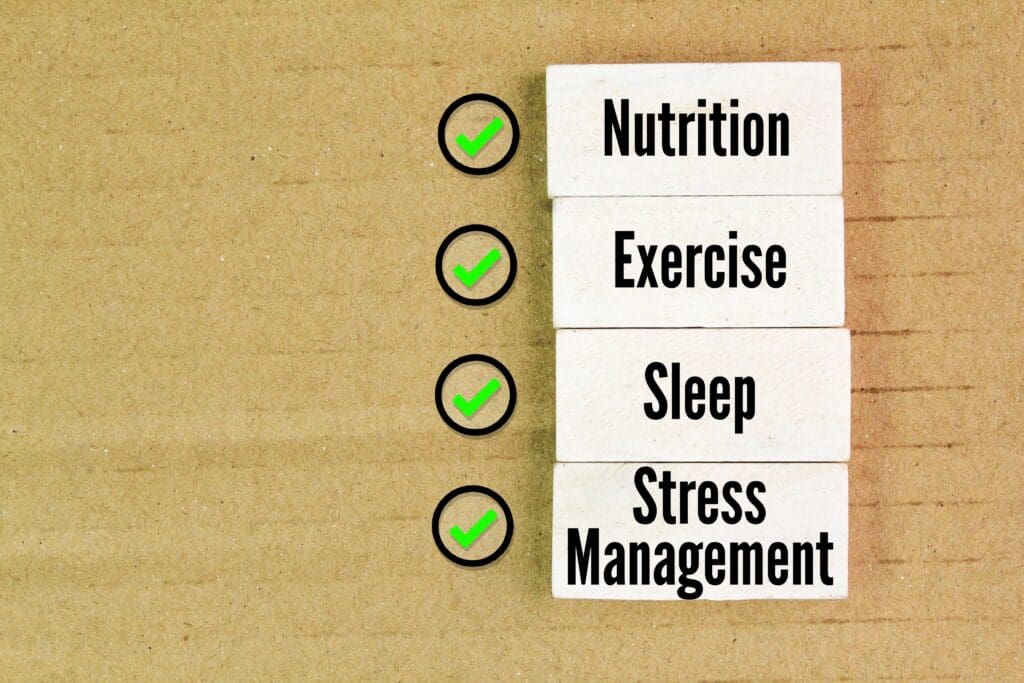
The Pillars of Health Still Apply
There is no single solution – injectable or otherwise – that replaces the foundations of health:
Stress:
Chronic stress drives belly fat, blood sugar issues, and cravings. Cortisol management is critical in menopause.
Food:
Not restriction – nourishment. Protein, fibre, minerals, and stable blood sugar matter more than calories alone.
Movement:
Strength training, daily movement, and protecting muscle mass are essential for metabolic health.
Sleep & Recovery:
Poor sleep fuels hunger hormones and weight gain.
GLP-1s can be a tool – but they cannot replace these pillars.
Supporting the Transition Off Injections
For many women, the goal isn’t to stay on injections forever – it’s to use them as a reset, then transition into a sustainable way of living in a changing body.
This Is Where Support Matters
Menobelly was formulated to support women through hormonal change, focusing on areas that often become challenged during perimenopause and menopause, including:
• Metabolism support
• Cortisol and stress balance
• Hormonal health
• Adrenal support
Alongside Menobelly, we also offer personalised nutritional support and health coaching, helping women break cycles of guilt, yo-yo dieting, and unhealthy habits.
For women who are coming off GLP-1 medications – or looking to support their bodies alongside lifestyle changes – this combined approach may help promote a more balanced, sustainable approach to weight management, nourishment, stress management, and overall wellbeing.
A More Compassionate Conversation
This isn’t about being for or against weight-loss injections.
It’s about recognising that:
- Menopause changes the rules
- Appetite suppression doesn’t heal the whole picture
- Emotional health and habits still matter
- Long-term wellbeing requires more than a prescription
Women deserve solutions that support their bodies – now and in the future.
If the food noise returns, the question shouldn’t be “What did I do wrong?”
It should be “How can I support my body better?”
And that’s a conversation worth having.
Looking for personalised support?
If you’re navigating menopause, weight changes, or life on (or off) GLP-1 medications, you don’t have to do it alone.
👉 Book a free 15-minute support call to talk through your next steps
👉 Learn more about Menobelly and how it can support hormonal balance and weight management during menopause
Note:
I work alongside women both on and off GLP-1 medications. This article is not medical advice or an argument for or against injections – it’s a conversation about long-term health, especially during menopause.

